Kitap hakkında
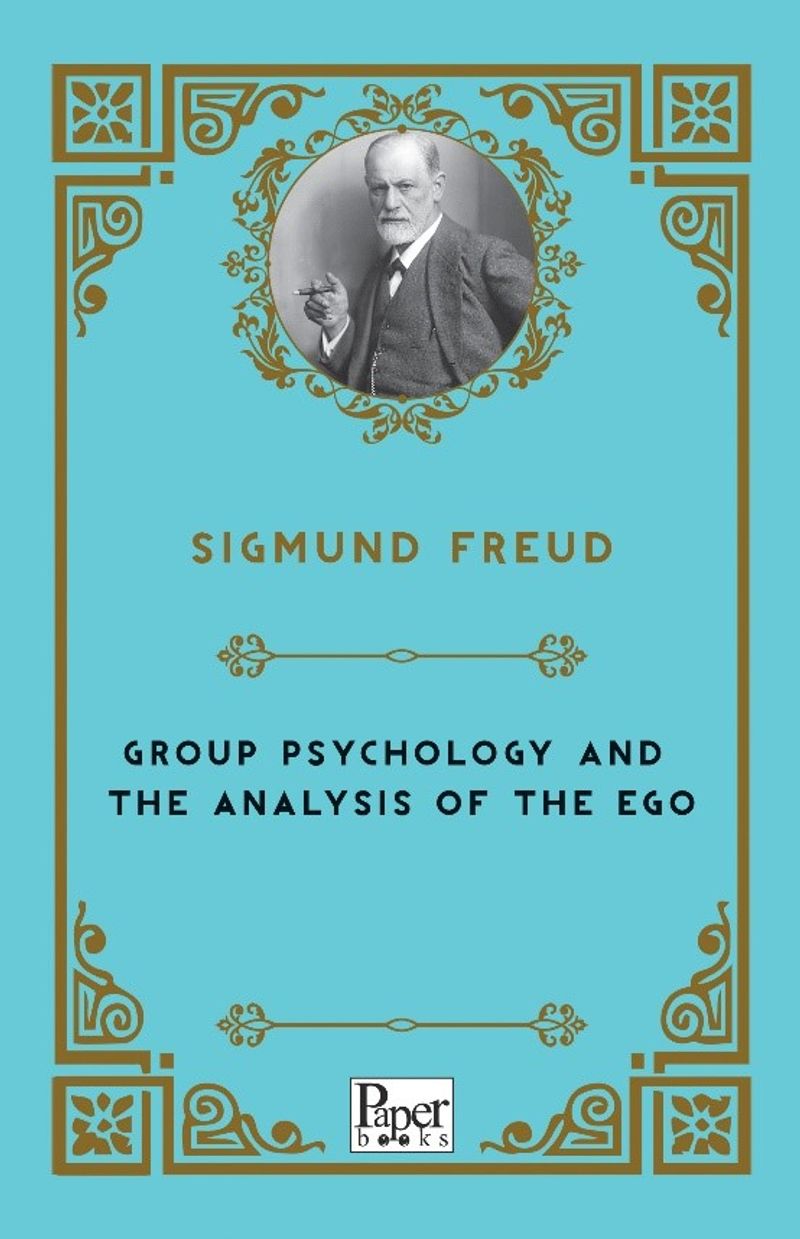
Group Psychology and the Analysis of the Ego is a 1921 book by Sigmund Freud, the founder of psychoanalysis. In this monograph, Freud describes psychological mechanisms at work within mass movements. A mass, according to Freud, is a "temporary entity, consisting of heterogeneous elements that have joined together for a moment." He refers heavily to the writings of sociologist and psychologist Gustave Le Bon (1841-1931), summarizing his work at the beginning of the book in the chapter Le Bon's description of the group mind. Like Le Bon, Freud says that as part of the mass, the individual acquires a sense of infinite power allowing him to act on impulses that he would otherwise have to curb as an isolated individual. These feelings of power and security allow the individual not only to act as part of the mass, but also to feel safety in numbers. This is accompanied, however, by a loss of conscious personality and a tendency of the individual to be infected by any emotion within the mass, and to amplify the emotion, in turn, by "mutual induction". Overall, the mass is "impulsive, changeable, and irritable. It is controlled almost exclusively by the unconscious." Freud extensively quotes Le Bon, who explains that the state of the individual in the crowd is "hypnotic", with which Freud agrees. He adds that the contagion and the higher suggestibility are different kinds of change of the individual in de mass.