Kitap hakkında
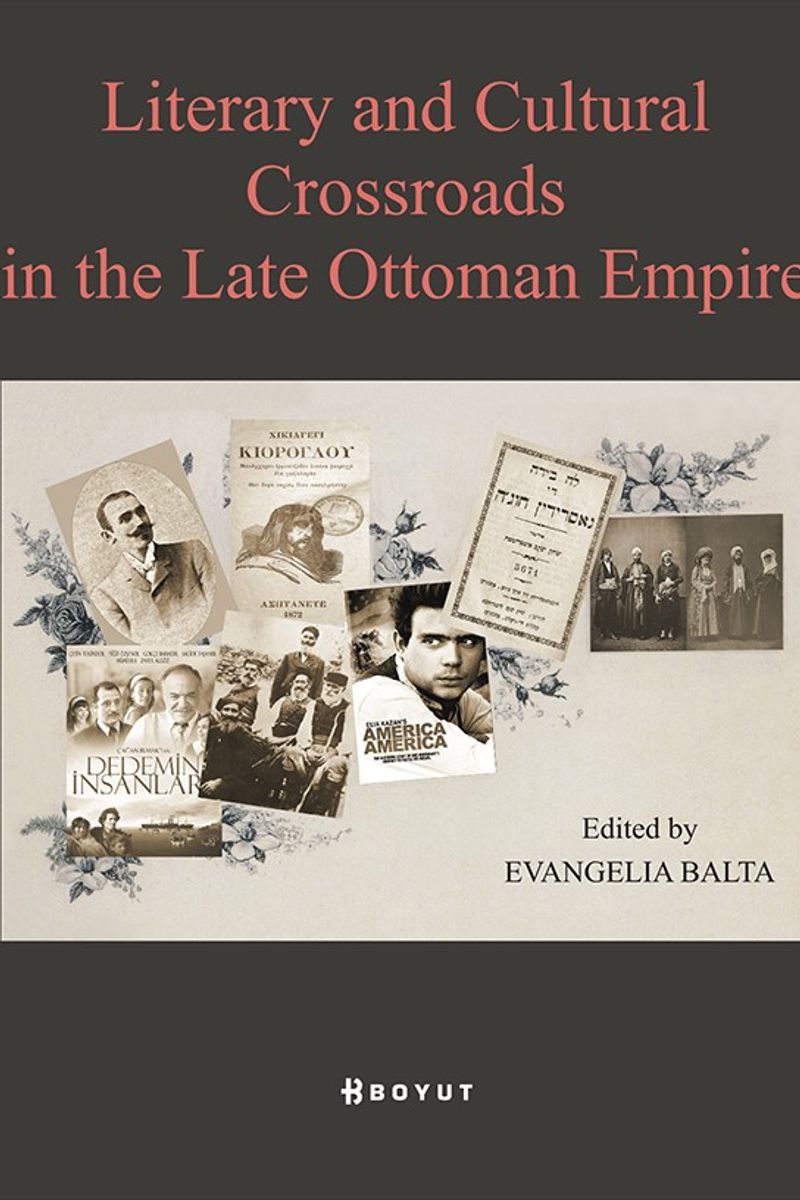
This volume continues the efforts of the previous collective volumes devoted to Karamanlidika Studies, which aim to place across the disciplines of history, cultural studies, and literature each ethno-confessional community of the Ottoman Empire, Turkophone, and non-Turkophone, in relation to the cognate practices of the others. It is a collection of studies of non-dominant or less commonly studied groups and some influential personages among them. These contributions shed new light on overlooked non-Muslim Ottoman subjects by exploiting various primary sources, archival material, and narratives in Greek, Turkish (in multiple scripts), Armenian, Sephardic-Jewish, and several European languages. The volume is a cross-fertilization that contributes substantially to understanding culture as a dynamic process through which the Ottoman ethno-religious groups reciprocally define themselves and others. These ten essays attempt to write the history of the non-Muslim peoples of the empire as an Ottoman history rather than as a chapter of it, thus aiding a better understanding of it. They draw attention to the shared histories of the peoples of the Ottoman Empire at the points where their cultures converge despite differences in religion, ethnicity, denomination, and language. They also lend themselves to dialogue not only with Ottomanists but furthermore, with scholars who investigate broader issues of migration, urbanization, state building, refugeeism, memory, and protection and preservation of the material cultural heritage.