Kitap hakkında
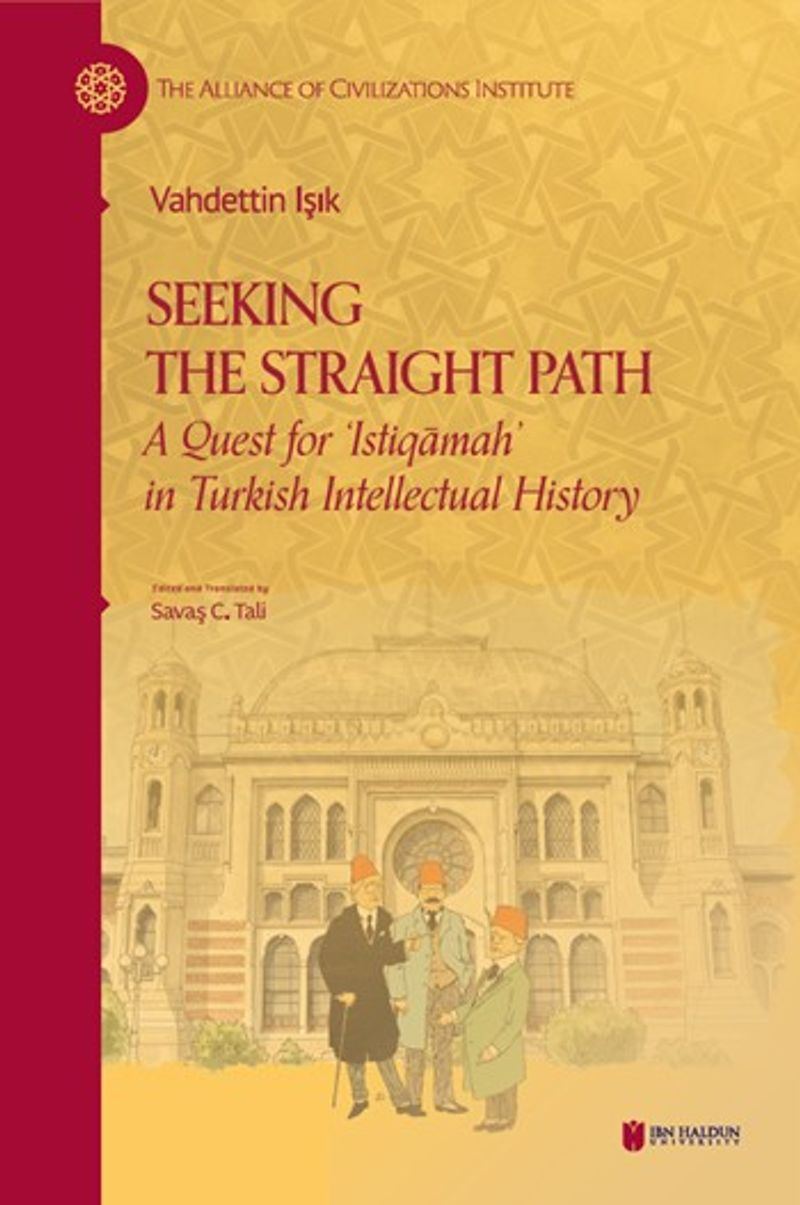
How did Muslim intellectuals of the Second Constitutional Period (II. Meşrutiyet, 1908–1918) seek to understand, redefine, and reposition both the self and the other at a moment when the Ottoman world faced military encirclement, political tutelage, and a rapidly changing intellectual order? In this monograph, Vahdettin Işık argues that the central tension of the period was a search for istiqāmah—the “Straight Path.” The concepts examined in the book map the different paths taken by Muslim intellectuals within this search for istiqāmah. Drawing on the insight that “East” and “West” are constructed categories, Işık shows how these concepts nonetheless came to function as a seemingly neutral language—one that enabled intellectuals to sustain a sense of selfhood while developing a workable discourse of engagement with the “present civilization”. At the same time, the book traces the reconfiguration of other pivotal terms—such as nation (millet) and civilization (medeniyet)—whose Islamic resonances allowed them to mediate new political meanings without immediately provoking resistance. By offering a new classification and conceptual framework for the intellectual currents of the period, Işık provides specialized scholars and graduate students with a rigorous tool for re-reading late Ottoman intellectual history, while also offering general readers valuable insights into the historical roots of contemporary Turkish political thought.