Kitap hakkında
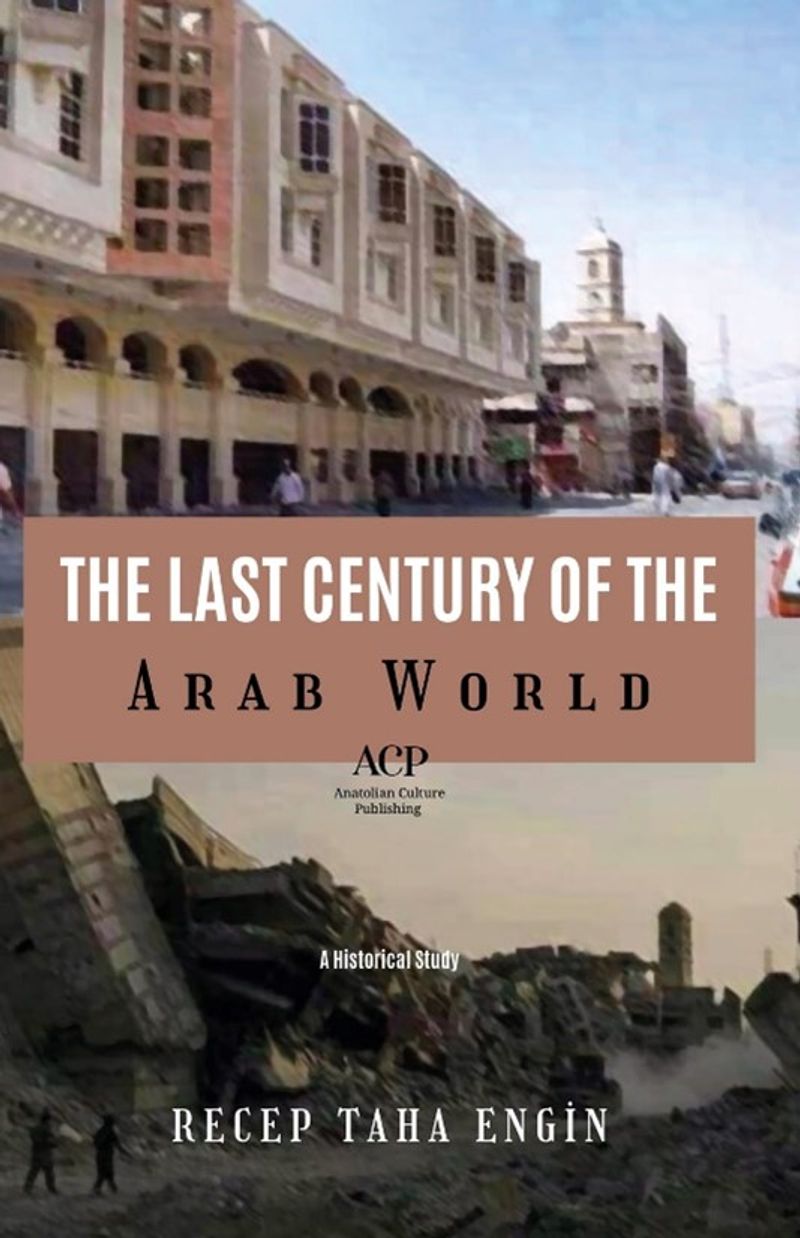
The region known today as the Arab World is widely considered the cradle of human civilization. Based on written historical sources and observable developments, the social and political shifts within this geography have left a lasting mark on the entire world. This book begins by offering a concise overview of the region's situation roughly a century ago. It then turns to the post-Ottoman era, exploring how new states that emerged after the fall of the empire--and in the wake of both World War I and World War II-often looked to countries Tike Turkey, Iran, and Egypt as key political reference points. It is impossible to overlook the continued impact of political strategies drawn up by Great Britain and France during this time-strategies that still influence the region today. With the onset of the Cold War, the influence of the United States and Russia also became prominent in the region, adding another layer of complexity to the geopolitical landscape. Although the Non-Aligned Movement-led primarily by Egypt-initially sought an independent path for the region, the international political climate of the time inevitably led to engagement with both the Eastern and Western blocs. The shifts taking place within the Arab World were largely driven by developments centered around Iran and Egypt, due in part to their strategic geopolitical positions. Both countries entered into close diplomatic relations through the D-8 (Developing-8) initiative, launched during the 54th government of the Republic of Turkey under what was called a "Principled Foreign Policy." However, following the 1997 agreement between member nations, political turmoil-including the removal of key leaders from office and mounting international pressu-re-prevented the D-8 from gaining real momentum. Earlier conflicts such as the First and Second Gulf Crises had already triggered internal divisions within the region, giving rise to differing political strategies among Arab states. This study also examines the U.S.-led military operations in the region after the year 2000, as well as the socio-political transformations sparked by the Arab Spring beginning in 2010.