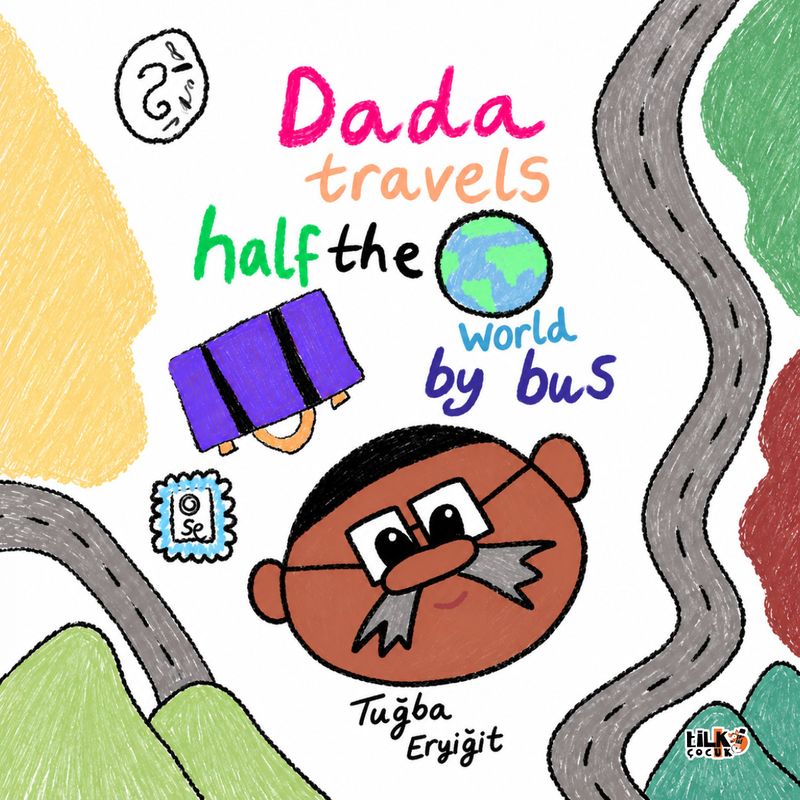
Kitap hakkında
At the present day no clear and consistent opinion seems to be held regarding Classical Philology. We are conscious of this in the circles of the learned just as much as among the followers of that science itself. The cause of this lies in its many-sided character, in the lack of an abstract unity, and in the inorganic aggregation of heterogeneous scientific activities which are connected with one another only by the name “Philology.” It must be freely admitted that philology is to some extent borrowed from several other sciences, and is mixed together like a magic potion from the most outlandish liquors, ores, and bones. It may even be added that it likewise conceals within itself an artistic element, one which, on æsthetic and ethical grounds, may be called imperatival—an element that acts in opposition to its purely scientific behaviour. Philology is composed of history just as much as of natural science or æsthetics: history, in so far as it endeavours to comprehend the manifestations of the individualities of peoples in ever new images, and the prevailing law in the disappearance of phenomena; natural science, in so far as it strives to fathom the deepest instinct of man, that of speech; æsthetics, finally, because from various antiquities at our disposal it endeavours to pick out the so- called “classical” antiquity, with the view and pretension of excavating the ideal world buried under it, and to hold up to the present the mirror of the classical and everlasting standards. That these wholly different scientific and æsthetico-ethical impulses have been associated under a common name, a kind of sham monarchy, is shown especially by the fact that philology at every period from its origin onwards was at the same time pedagogical. From the standpoint of the pedagogue, a choice was offered of those elements which were of the greatest educational value; and thus that science, or at least that scientific aim, which we call philology, gradually developed out of the practical calling originated by the exigencies of that science itself.